Knowing which type of acne you have helps you choose the right care, and know when to see a doctor.
Non-inflammatory acne
- Blackheads (open comedones): a pore blocked by sebum and dead cells, open to the air. The dark colour comes from oxidation, not dirt.
- Whiteheads (closed comedones): the same plug, under a closed surface.
Inflammatory acne
- Papules: small, red, tender bumps without a visible head.
- Pustules: red bumps with a white or yellow centre.
- Nodules: large, hard, painful lumps deep in the skin.
- Cysts: deep, soft lumps filled with pus, the form most likely to scar.
Acne with a specific trigger
- Hormonal acne: around the jaw and chin, flaring with the cycle; frequent in adult women.
- Acne mechanica: caused by friction or pressure (helmets, masks, sports equipment).
- Acne cosmetica: caused by rich or comedogenic products; it improves when they are stopped.
Acne fulminans and acne conglobata are rare, severe forms that need urgent medical care.
How it is treated
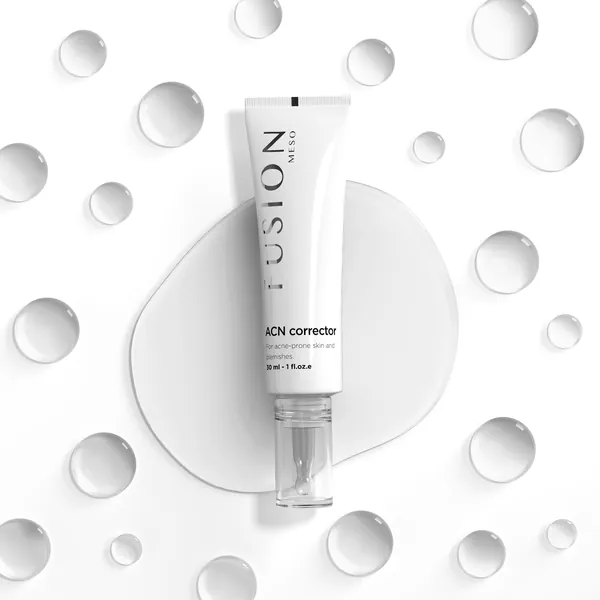
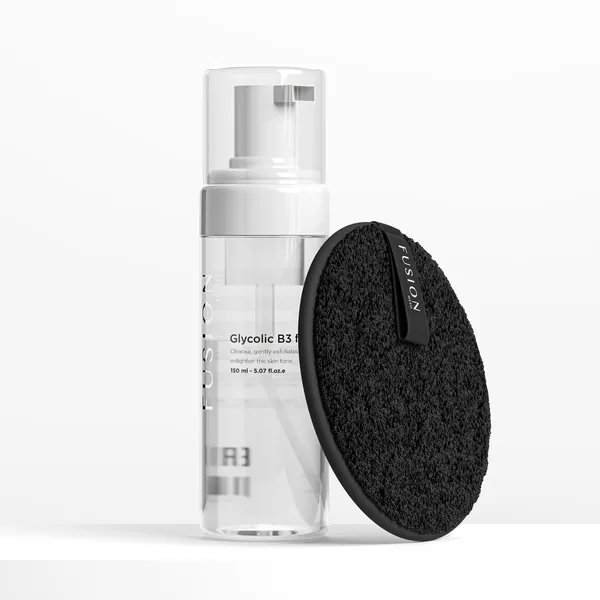
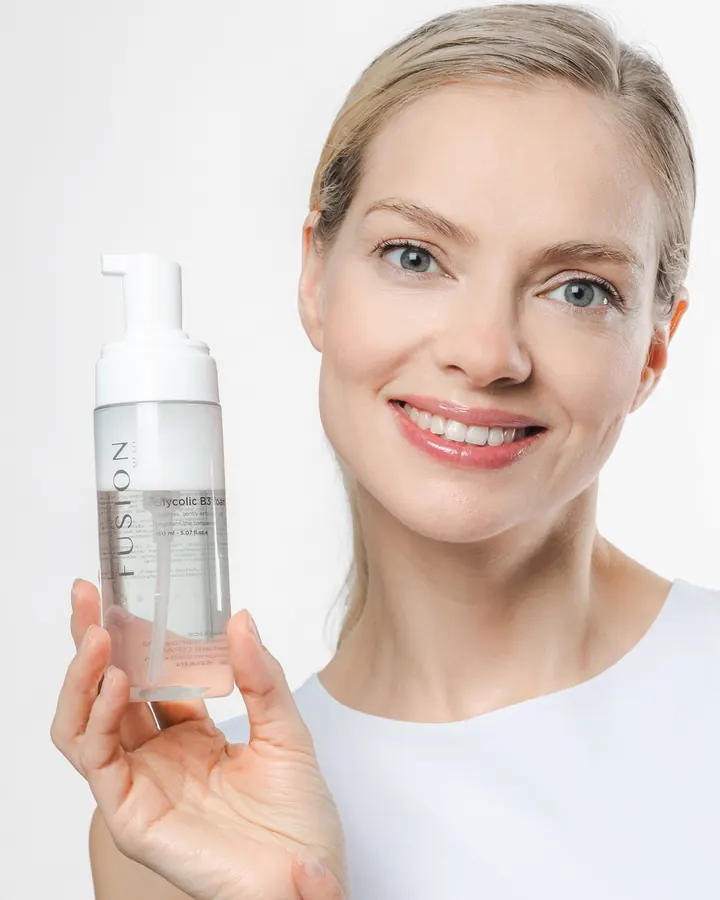
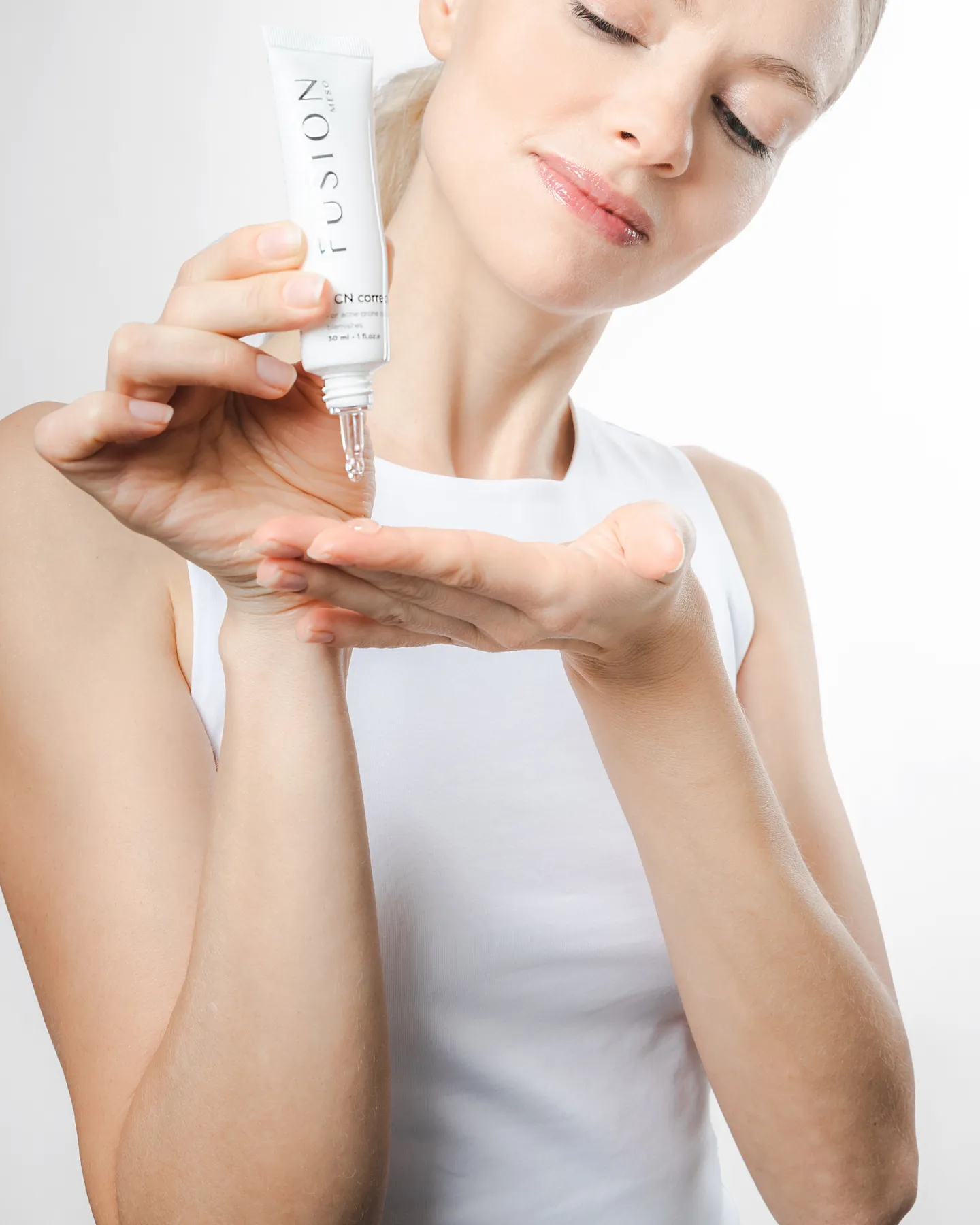
- Blackheads and whiteheads: regular exfoliation with salicylic or glycolic acid, retinol, and non-comedogenic care, for example Glycolic B3 foam and ACN corrector.
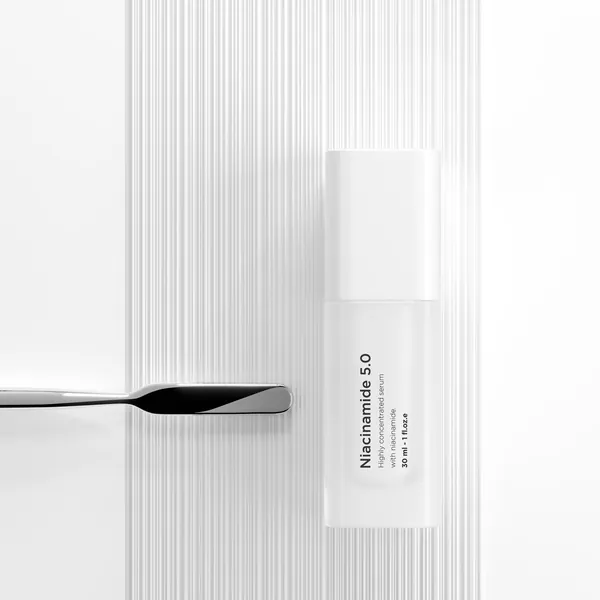
- Papules and pustules: the same routine, plus ingredients that calm the skin, such as niacinamide (Niacinamide 5.0). A doctor may prescribe a treatment.
- Nodules, cysts and severe forms: see a doctor or dermatologist.
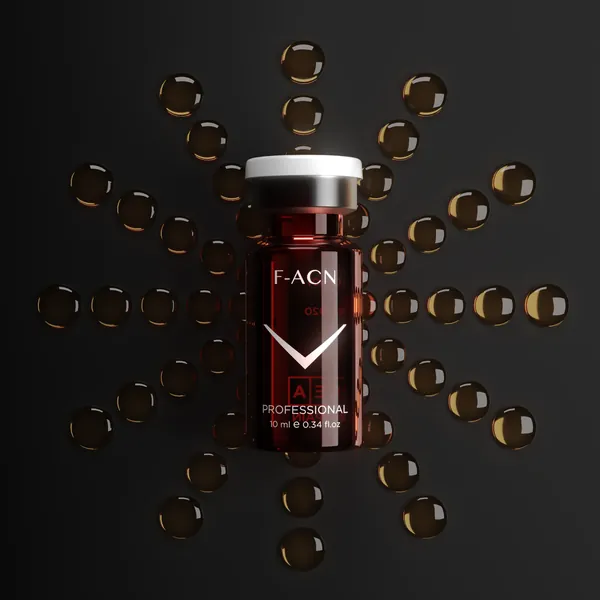
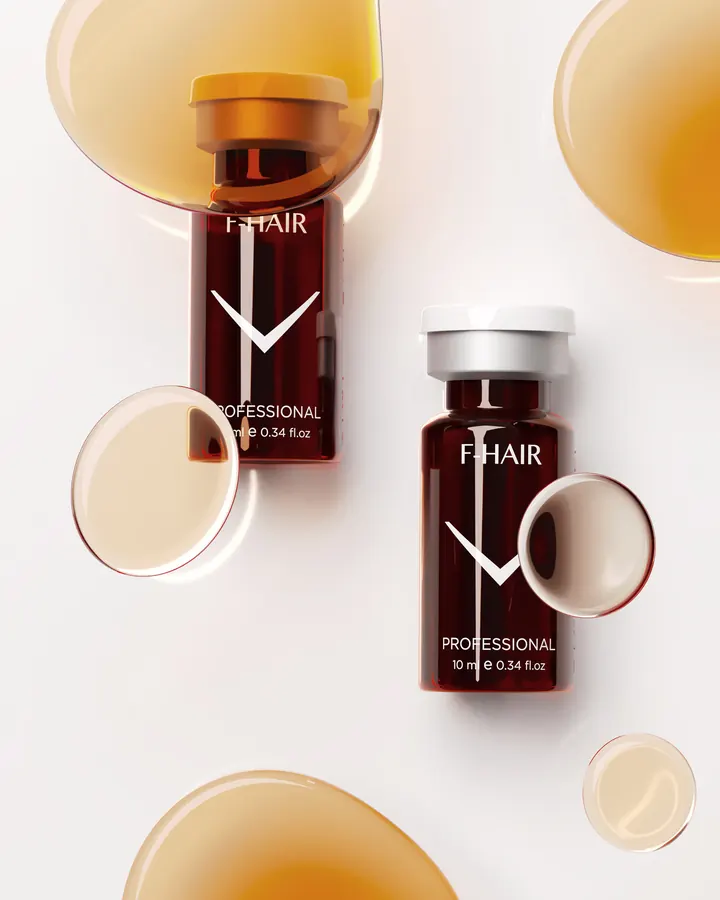
Once the acne is calm, professional treatments help with texture and marks, such as meso-needling with F-ACN.
Every day
Cleanse twice a day gently, do not squeeze, change pillowcases often, choose non-comedogenic products and protect the skin from the sun.
Questions
Should I squeeze blemishes?
No. Squeezing pushes the inflammation deeper and increases the risk of marks and scars.
Does adult acne exist?
Yes, especially in women, often linked to hormones, with blemishes on the jaw and chin.
Looking for a treatment?
Fusion Meso treatments are performed by trained professionals. Tell us where you are and we will point you to one.
Find a professional