We often think of hydration as water. But what keeps water in the skin is fat: the lipids of the skin barrier.
Ceramides: the skin’s natural protectors
- Barrier function: ceramides fill the spaces between the skin cells, like mortar between bricks.
- Water retention: they limit the water that evaporates through the skin.
- Repair: they help the barrier recover after stress, cold or treatments.
- Ageing: their level falls with age, one reason why mature skin is drier.
Vitamin F: the essential fatty acids
“Vitamin F” is the old name for the essential fatty acids, linoleic and linolenic acid. The body cannot make them.
- Moisture and flexibility: they keep the skin soft and supple.
- Calm: they help reduce redness and irritation.
- Barrier: linoleic acid is needed to make some of the ceramides of the barrier.
- Synergy: ceramides, cholesterol and fatty acids work best together, in balanced proportions.
Adding them to your routine
- Balance: choose creams that combine several lipids rather than one.
- Regularity: apply them every day, morning and evening, on clean skin.
- The right texture: rich creams for dry skin, lighter ones for combination skin.
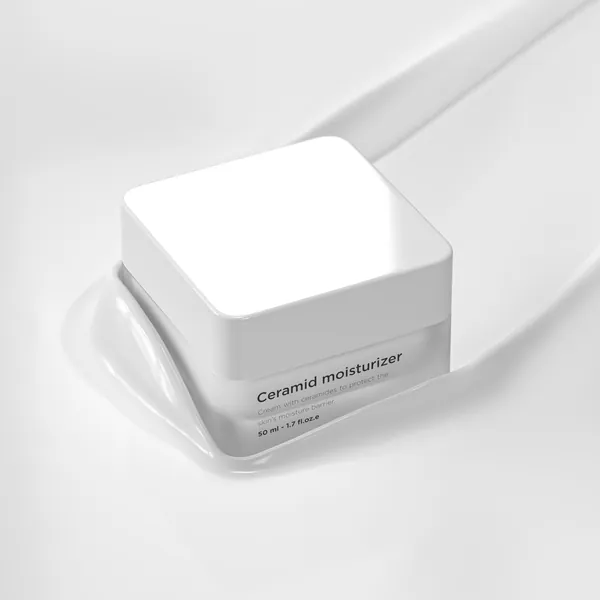
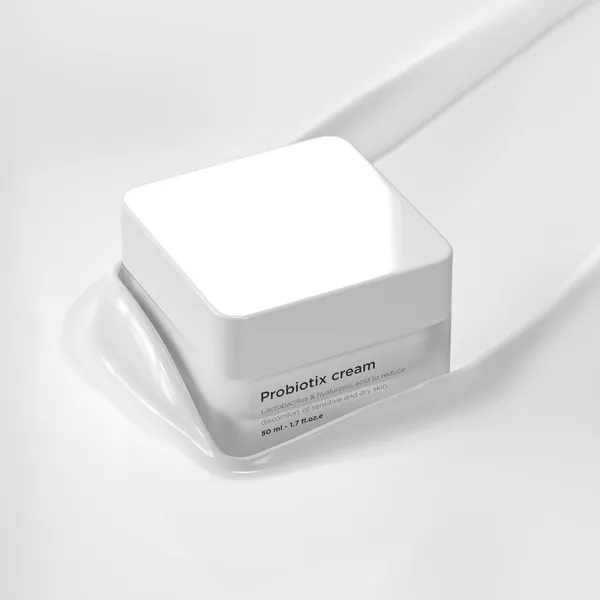
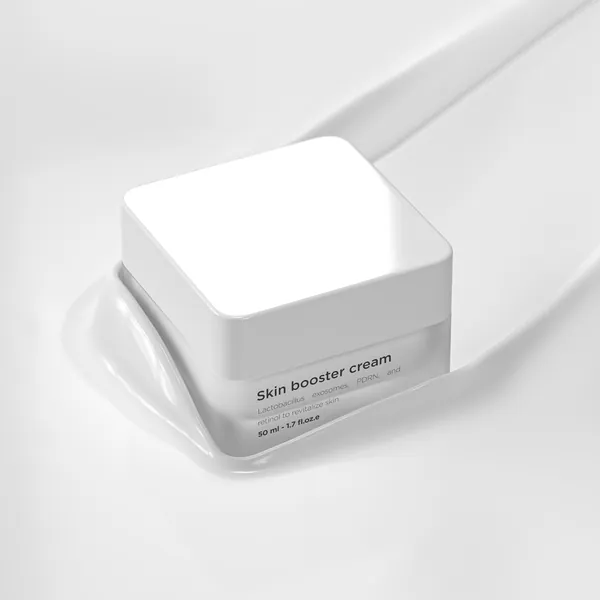
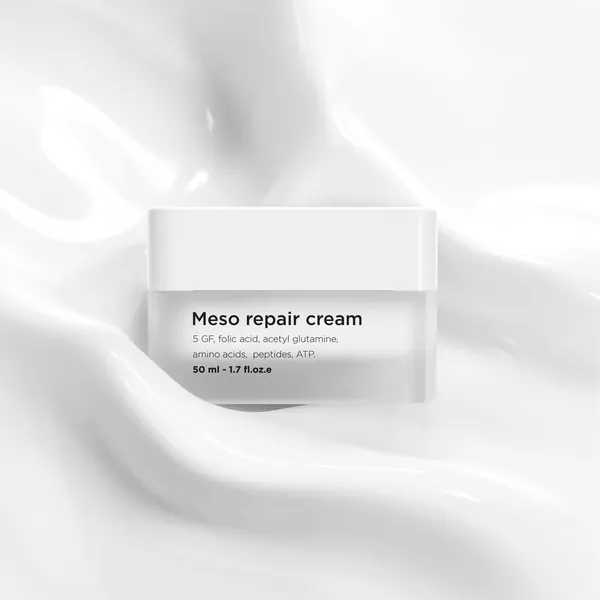
Fusion Meso creams for the barrier: Ceramid moisturizer restores the lipid barrier of dry and sensitive skin; Probiotix cream nourishes very dry, sensitive skin; Skin booster cream contains ethyl linoleate, a form of vitamin F; Meso-repair cream supports the skin after aesthetic procedures.
Questions
Does oily skin need lipids?
Yes. Sebum is not the same as the lipids of the barrier. Oily skin can be dehydrated and lack ceramides.
What is vitamin F?
The name given to the essential fatty acids linoleic and linolenic acid, which the body cannot make.
Looking for a treatment?
Fusion Meso treatments are performed by trained professionals. Tell us where you are and we will point you to one.
Find a professional