Tranexamic acid started as a medicine and has become one of the most interesting ingredients for pigmentation in skin care.
How it works
Tranexamic acid reduces several signals that push the melanocytes to produce melanin, including signals from inflammation and from the small blood vessels of the skin. It acts upstream of the visible spot, which makes it useful for melasma and for marks left by acne.
What it does
- Fades dark spots and the marks left by blemishes.
- Evens out the tone, including redness.
- Adds radiance as the tone becomes more uniform.
- Works with other ingredients: niacinamide, vitamin C, arbutin.
- Suits most skin types, including sensitive skin.
How to add it to your routine
- Start slowly: once a day for the first week.
- Use a sunscreen every morning, such as Meso-shield SPF 50. Without it, new spots appear.
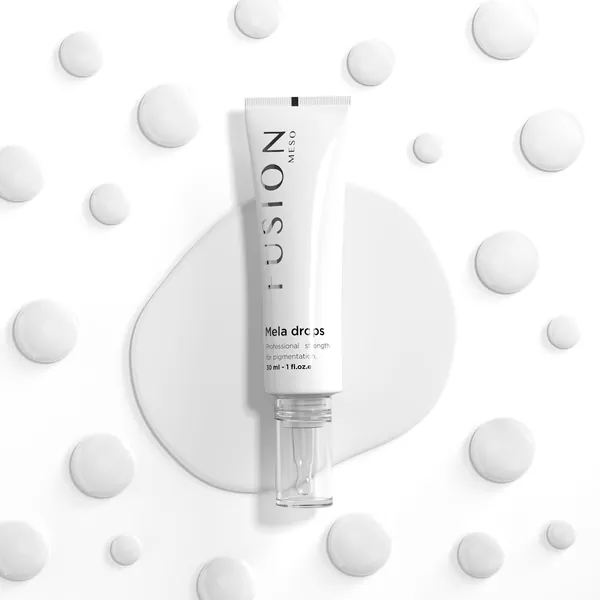
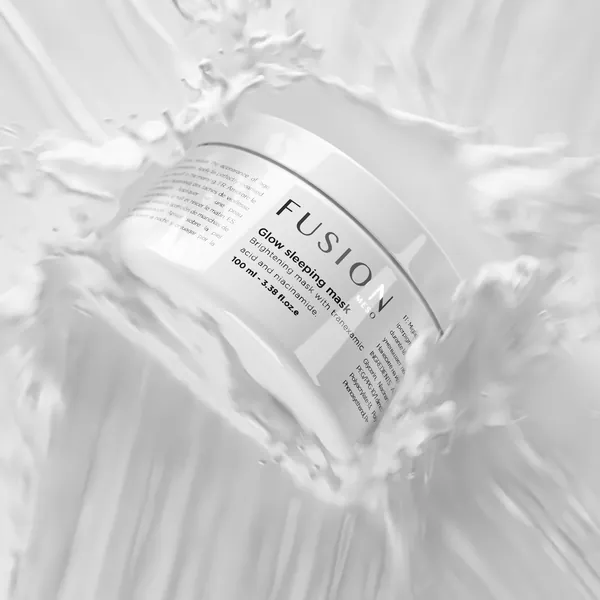
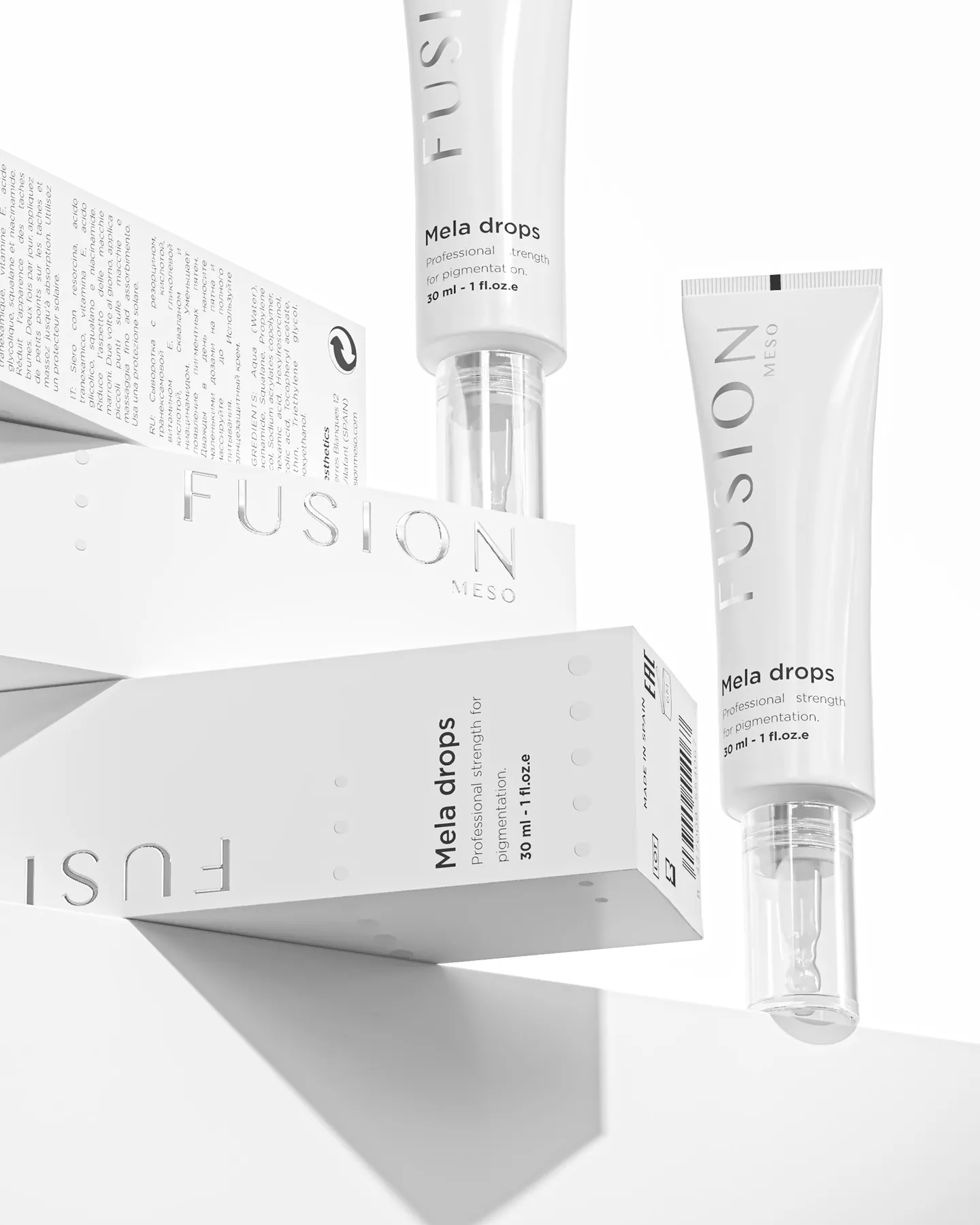
- Combine it: a serum with tranexamic acid and niacinamide, such as Mela drops, or an overnight mask such as Glow sleeping mask.
- Be consistent: allow 8 to 12 weeks.
- Follow the product instructions.
In the treatment room
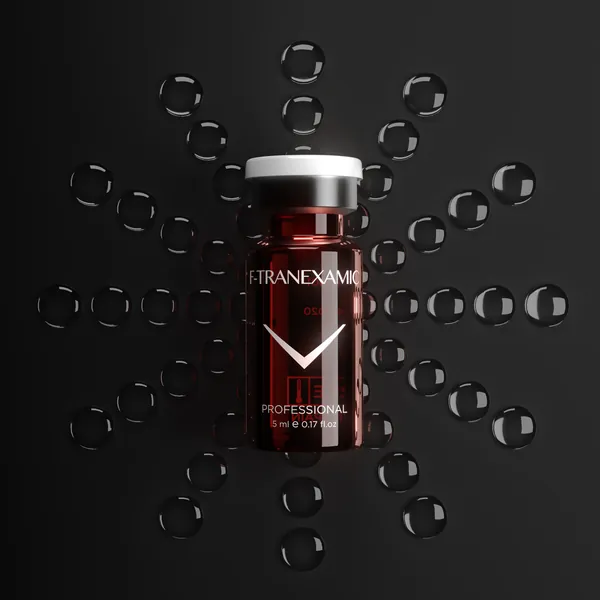
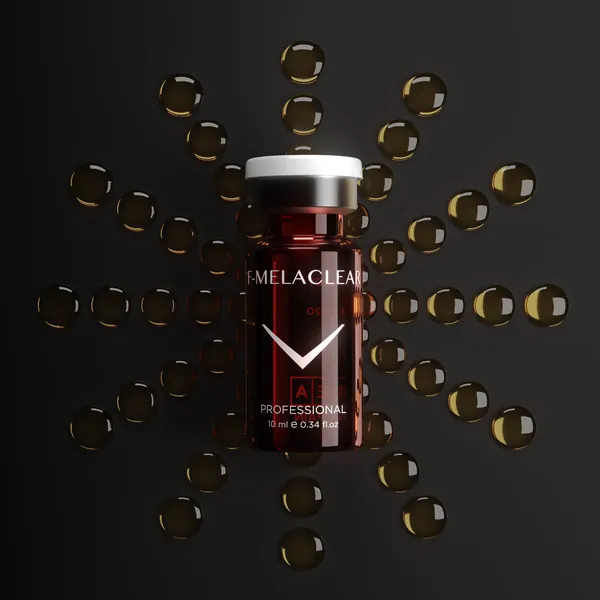
Professionals use sterile vials with tranexamic acid during meso-needling, such as F-TRANEXAMIC or F-MELACLEAR, for a more intensive course of treatment.
Possible side effects
Topical tranexamic acid is well tolerated. Rarely, it causes slight redness or dryness. Stop it if irritation persists. Tranexamic acid tablets are a different matter: they are a medicine, prescribed by a doctor.
Questions
Can tranexamic acid be used with retinol?
Yes. Tranexamic acid is gentle and can be used in the same routine, for example in the morning, with retinol in the evening.
Is it safe for darker skin?
Yes. It is a good option for darker skin, which is more prone to pigmentation after inflammation.
Looking for a treatment?
Fusion Meso treatments are performed by trained professionals. Tell us where you are and we will point you to one.
Find a professional