Cica is short for Centella asiatica, a plant also known as tiger grass. It has a long tradition in skin repair, and modern skin care uses it for sensitive and treated skin.
What it does
Soothes. Its active compounds (madecassoside, asiaticoside, madecassic and asiatic acids) calm redness, heat and discomfort.
Supports repair. It helps the skin rebuild itself and supports the production of collagen, which is why it is used after aesthetic procedures.
Strengthens the barrier. A stronger barrier keeps water in and irritants out.
Hydrates. It helps the skin hold water and feel comfortable.
Firms. By supporting collagen, it contributes to firmer skin over time.
Calms blemishes. It reduces the redness of blemishes and supports the healing of the marks they leave.
Protects. It has antioxidant properties against free radicals.
Suits sensitive skin. It is well tolerated, including by reactive skin.
After aesthetic procedures
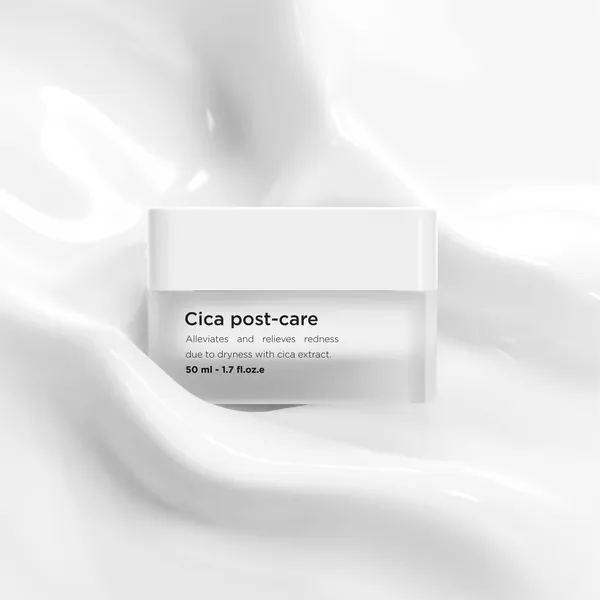
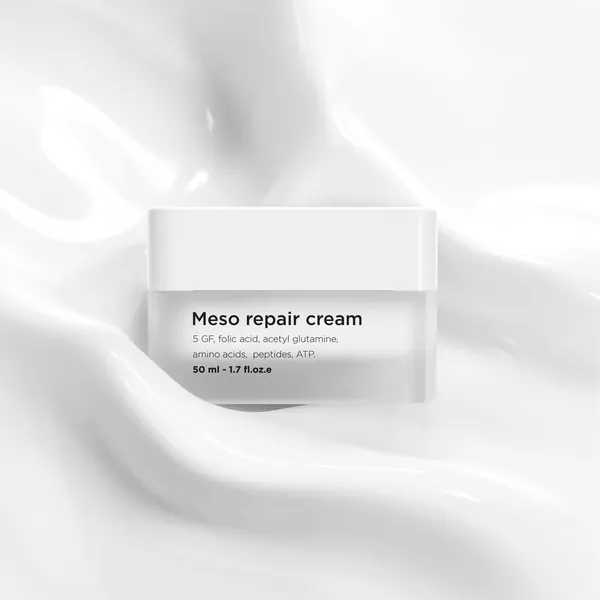
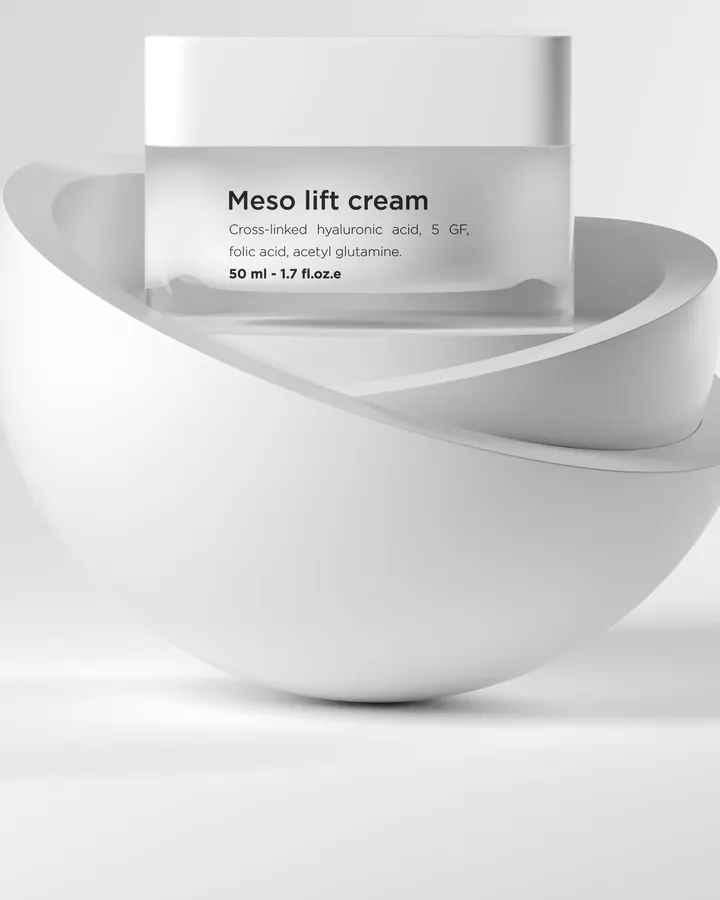
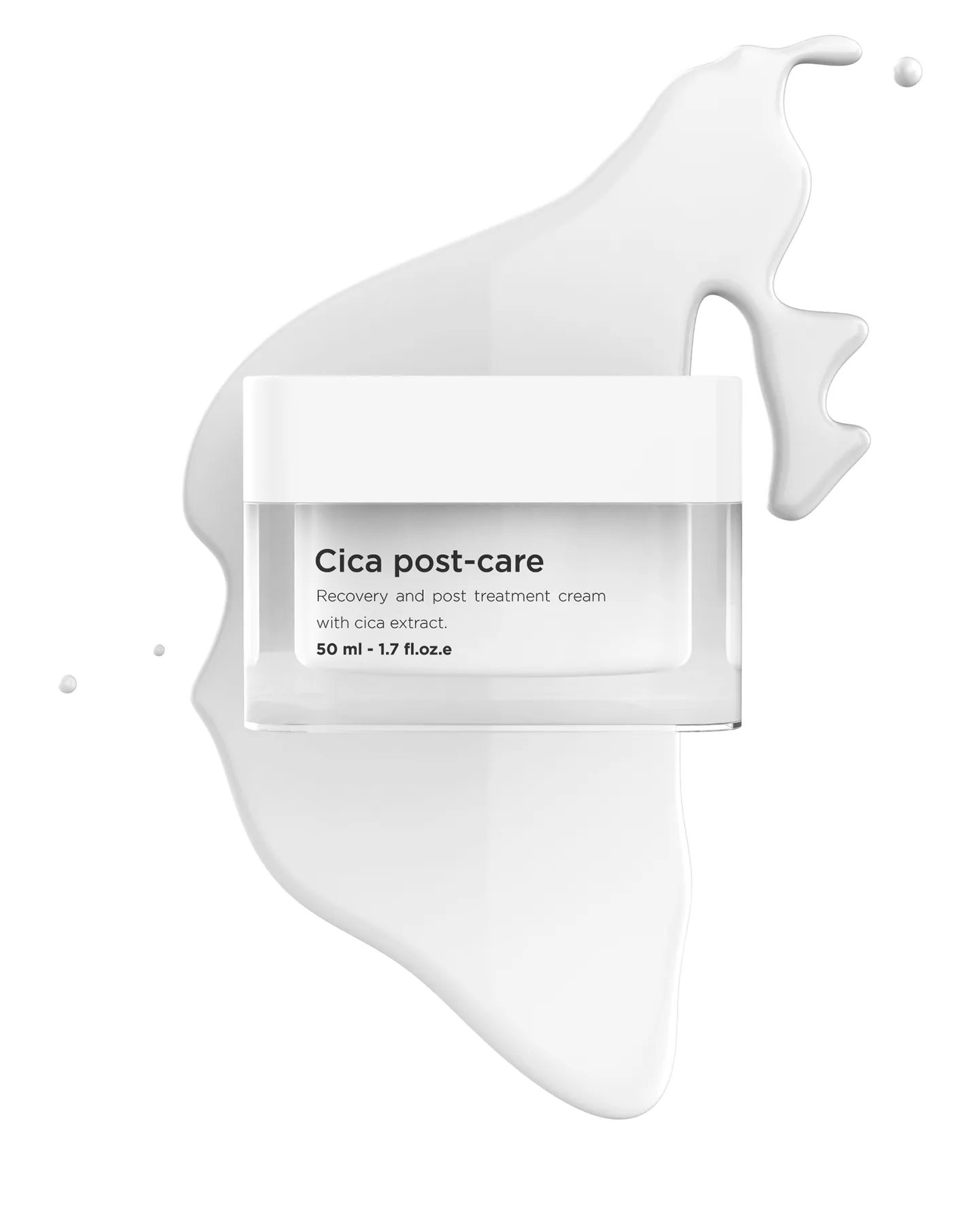
Peels, meso-needling, laser and injections leave the skin red, warm and fragile for a few days. A cica cream is a reference in these moments. Cica post-care promotes skin recovery after aesthetic procedures, reduces redness and supports the repair of the skin. Meso-repair cream is another option for the days that follow.
How to use it
Apply morning and evening on clean skin. After a treatment, use it for as long as the skin feels sensitive, and add a high-protection sunscreen in the morning.
Questions
Is cica suitable for acne-prone skin?
Yes. It calms red blemishes and supports the healing of marks, without clogging the pores.
When should I use a cica cream after a treatment?
From the evening of the treatment, morning and evening, for as long as the skin feels sensitive, usually a few days.
Looking for a treatment?
Fusion Meso treatments are performed by trained professionals. Tell us where you are and we will point you to one.
Find a professional