Good care for acne-prone skin is not about drying it out. It combines ingredients that clear, regulate, calm and repair.
Betaine salicylate
A gentle form of salicylic acid. It exfoliates inside the pores and has a soothing effect on red blemishes, with less irritation than salicylic acid.
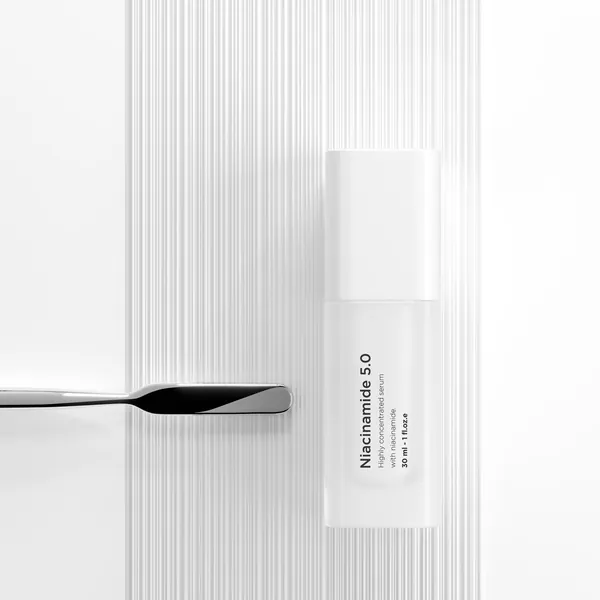
Niacinamide
Vitamin B3. It helps regulate oil, fades the marks left by blemishes and strengthens the skin barrier, which acne treatments often weaken.
Acetyl glucosamine
A small sugar-derived molecule that refines the texture by helping dead cells detach, and complements niacinamide in evening out the tone.
Hyaluronic acid
It hydrates without oil and helps the skin recover, which matters when other treatments dry it.
Panthenol
Pro-vitamin B5. It moisturises and soothes, and supports the skin’s repair.
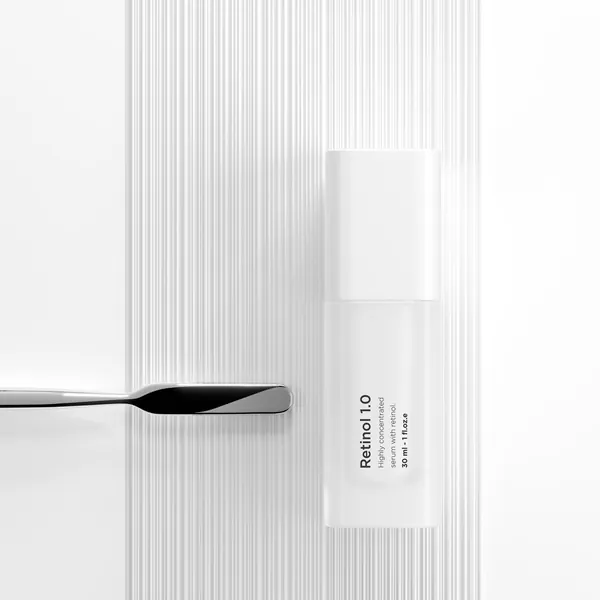
Retinol
It renews the skin and keeps dead cells from blocking the pores, stimulates collagen (useful for marks) and smooths the texture. Start slowly, in the evening.
Putting them together
- Morning: a gentle cleanser, a serum with niacinamide, a light moisturiser, sunscreen.
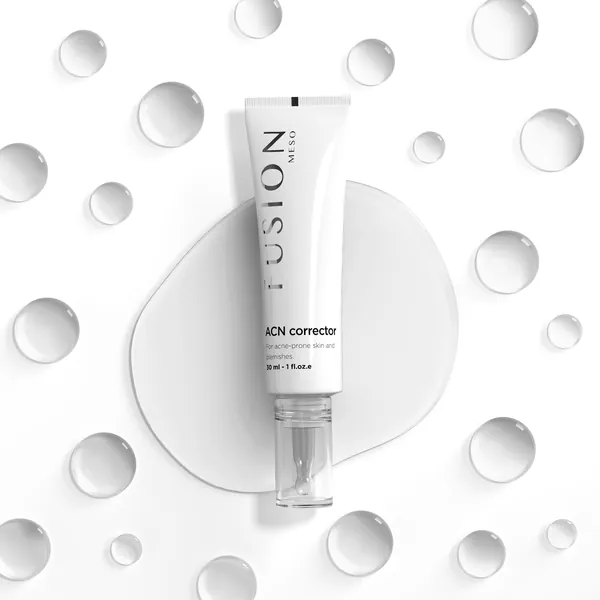
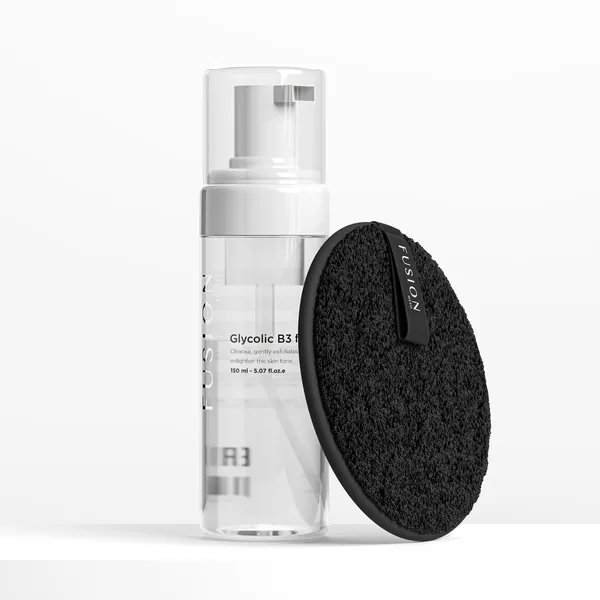
- Evening: cleansing with Glycolic B3 foam, then a targeted serum such as ACN corrector (betaine salicylate, niacinamide, acetyl glucosamine, panthenol, zinc PCA), and Retinol 1.0 two or three evenings a week, on other evenings.
In the treatment room, professionals use F-ACN, a sterile vial for acne-prone and impure skin, during meso-needling. Treatments are not performed on active, inflamed acne.
Questions
Should acne-prone skin be moisturised?
Yes. A dehydrated skin becomes irritated and can produce more oil. Choose light, non-comedogenic textures.
When should I see a doctor?
For painful nodules or cysts, acne that leaves scars, or acne that does not improve after a few months of good care.
Looking for a treatment?
Fusion Meso treatments are performed by trained professionals. Tell us where you are and we will point you to one.
Find a professional