Oily skin shines, has visible pores and is prone to blackheads and blemishes. Salicylic acid is one of the best-known ingredients for it.
Why salicylic acid works on oily skin
Salicylic acid is a beta-hydroxy acid (BHA). Unlike AHAs, it dissolves in oil, so it can penetrate the pores where sebum and dead cells accumulate.
- Cleans inside the pores: it loosens the plugs that form blackheads.
- Helps regulate oil: the skin looks less shiny.
- Calms: it has a soothing effect on red blemishes.
- Exfoliates gently: a smoother surface and fewer clogged pores.
- Prevents blemishes when used regularly.
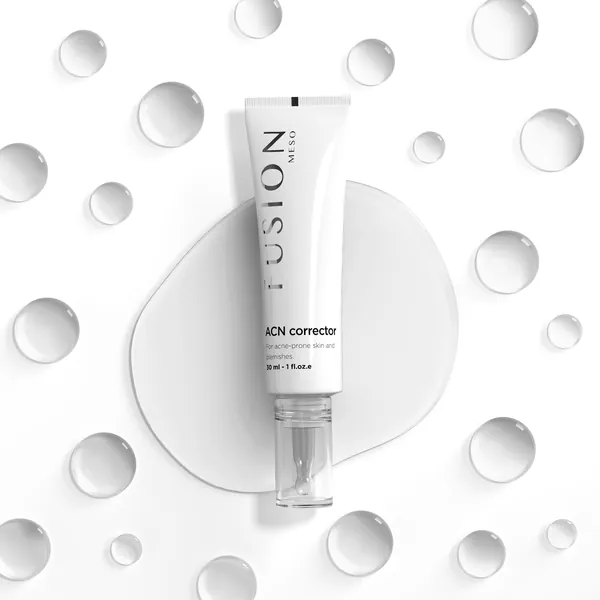
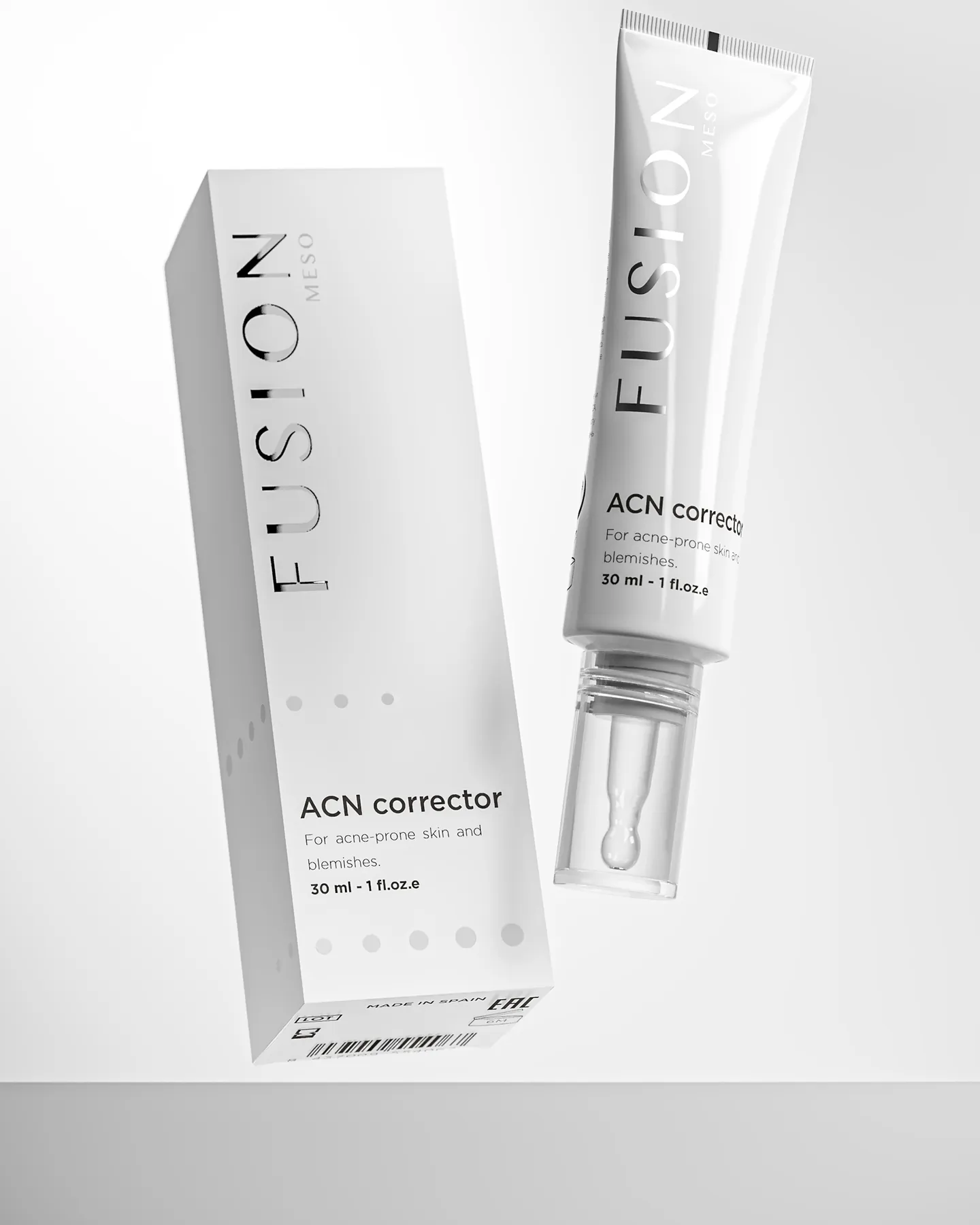
Betaine salicylate is a gentler form, often preferred for sensitive skin. It is one of the ingredients of ACN corrector, with niacinamide and zinc PCA.
Which products?
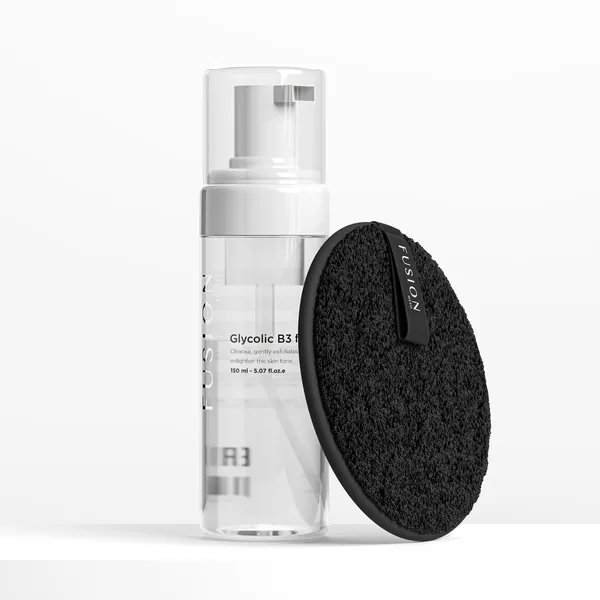
- Cleanser: an exfoliating foam keeps the pores clear, such as Glycolic B3 foam, with glycolic acid and niacinamide.
- Serum or spot treatment: a targeted serum on blemish-prone areas, such as ACN corrector.
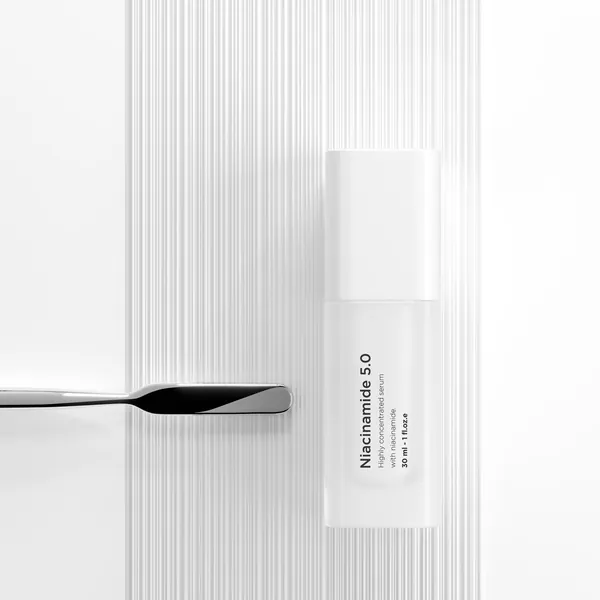
- Moisturiser: oily skin still needs hydration. A light, non-comedogenic texture, or a serum such as Niacinamide 5.0.
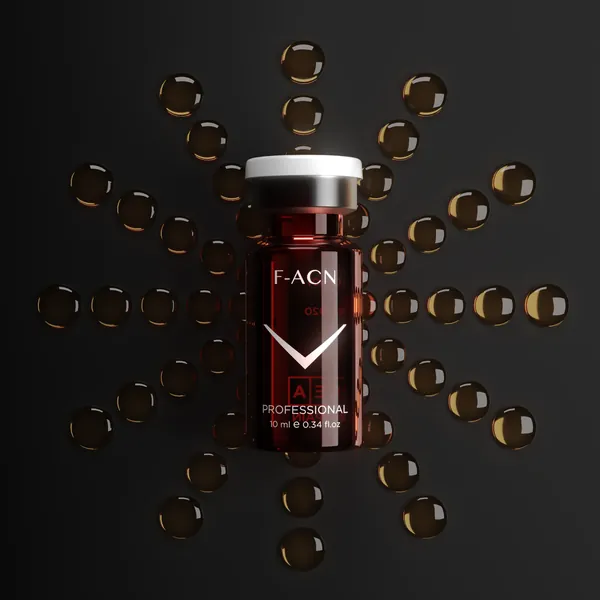
In the treatment room, F-ACN is a sterile vial for acne-prone and impure skin.
How to apply it
- Start slowly: once a day or every other day.
- Use it in the evening if you also use other exfoliants.
- Hydrate: an irritated skin produces more oil, not less.
- Wear sunscreen every morning: exfoliated skin is more sensitive to the sun.
Questions
Can salicylic acid dry the skin?
Yes, if used too often. Start once a day or every other day and keep a light moisturiser in the routine.
Can it be used during pregnancy?
Ask your doctor. Low concentrations in rinse-off products are usually considered acceptable, but advice varies.
Looking for a treatment?
Fusion Meso treatments are performed by trained professionals. Tell us where you are and we will point you to one.
Find a professional