Retinol has moved from the dermatologist’s office to everyday skin care. It is one of the best-studied ingredients for ageing skin, but it needs to be used well.
What is retinol?
Retinol is a form of vitamin A. The body cannot make vitamin A, and the skin uses it to renew itself. Applied on the skin, retinol is converted into retinoic acid, the form that acts on the skin cells.
What it does
- Faster cell renewal: a smoother, brighter surface.
- More collagen: fewer visible fine lines and firmer skin over time.
- Clearer pores: fewer blackheads and blemishes, and a more regular production of oil.
- A more even tone: the look of sun spots and marks fades.
The retinoid family
“Retinol” is often used for the whole family: retinyl esters (the gentlest), retinol, retinaldehyde (closer to retinoic acid), and prescription retinoids. The fewer conversion steps, the stronger and the more irritating.
Side effects and how to start
At first, retinol can cause dryness, redness and peeling. To limit them:
- Apply it in the evening, on dry skin, two or three times a week.
- Increase gradually to every other evening, then every evening if the skin is comfortable.
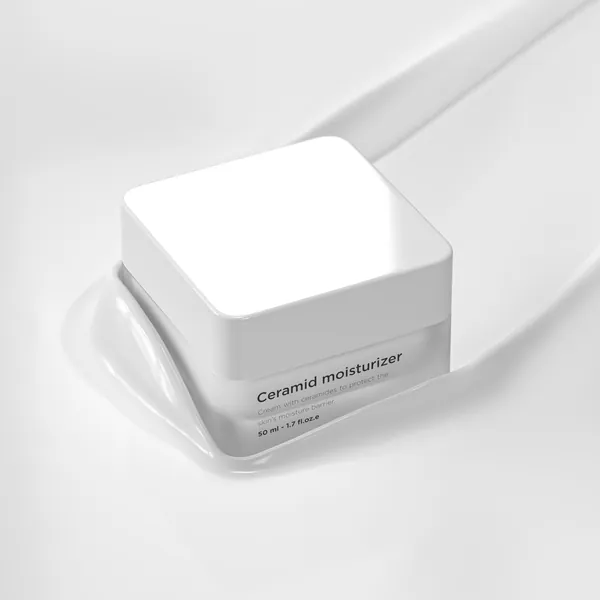
- Apply a moisturiser afterwards, such as Ceramid moisturizer. For sensitive skin, a “sandwich” (moisturiser, retinol, moisturiser) softens it further.
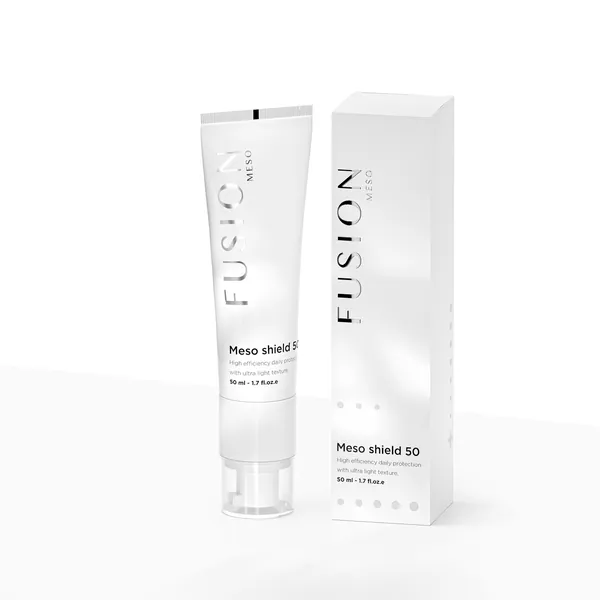
- Wear a sunscreen every morning, such as Meso-shield SPF 50.
Concentration and the EU limit
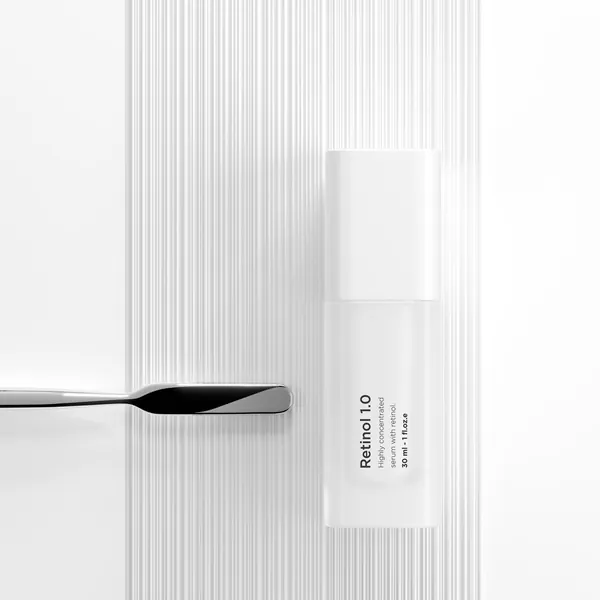
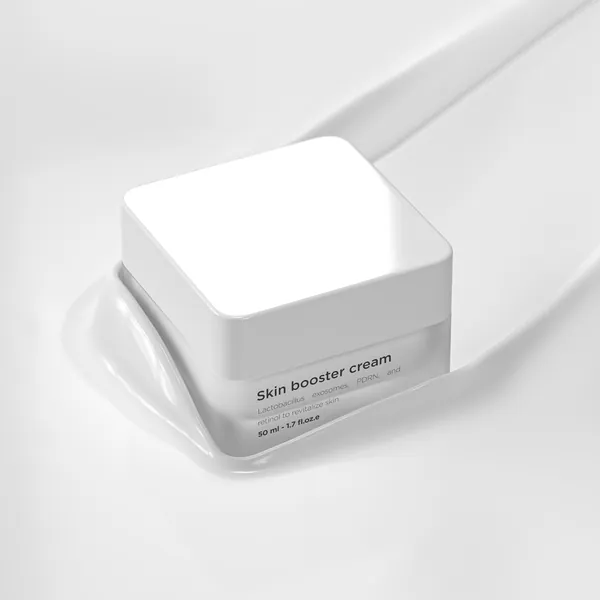
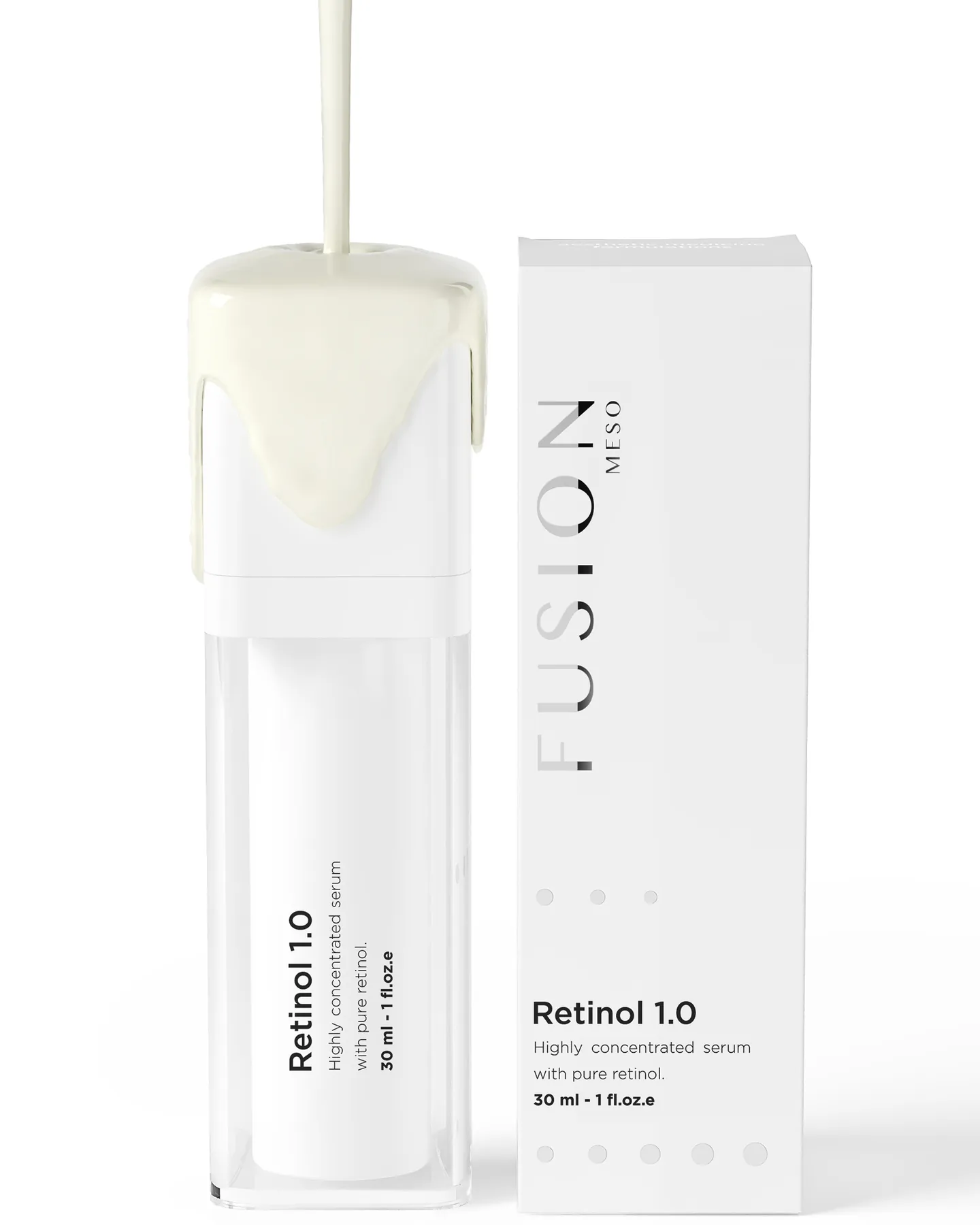
Since 2024, EU rules limit retinol to 0.3% in face products, to keep the total intake of vitamin A safe. A well-formulated 0.3% serum used regularly is effective. Retinol 1.0 contains 0.3% retinol; Skin booster cream combines retinol with PDRN and Lactobacillus-derived exosomes.
Who should avoid it
Pregnant or breastfeeding women, and anyone with an irritated, sunburnt or freshly treated skin. Stop retinol a few days before a professional treatment such as a peel or meso-needling.
Questions
Can sensitive skin use retinol?
Often yes, with a gentle start: twice a week, over a moisturiser, then more often if the skin tolerates it.
Can retinol be used during pregnancy?
No. Retinoids are not recommended during pregnancy or breastfeeding.
Looking for a treatment?
Fusion Meso treatments are performed by trained professionals. Tell us where you are and we will point you to one.
Find a professional