Few ingredients suit as many skin types and concerns as niacinamide. It is gentle, stable and easy to combine.
What is niacinamide?
Niacinamide, also called nicotinamide, is a form of vitamin B3. It is water-soluble and the skin uses it in many of its own processes, from energy production to the making of the lipids of its barrier.
What it does
- A stronger barrier: it helps the skin make ceramides, so it holds water better and reacts less.
- Less oil, smaller-looking pores: it helps regulate oil and refines the look of pores.
- Calmer skin: it soothes redness and suits acne-prone skin.
- Fewer marks: it reduces the transfer of pigment to the skin cells, so marks and dark spots fade.
- Smoother texture and softer fine lines with regular use.
Which products?
Niacinamide works in cleansers, serums and creams:
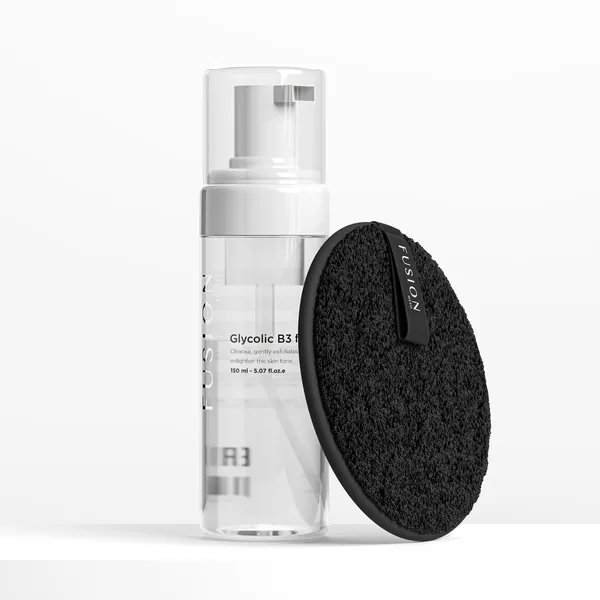
- a cleansing foam for oily skin, such as Glycolic B3 foam;
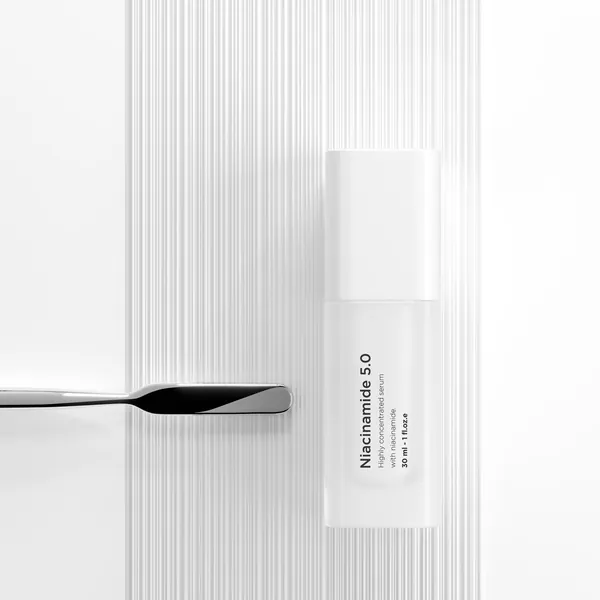
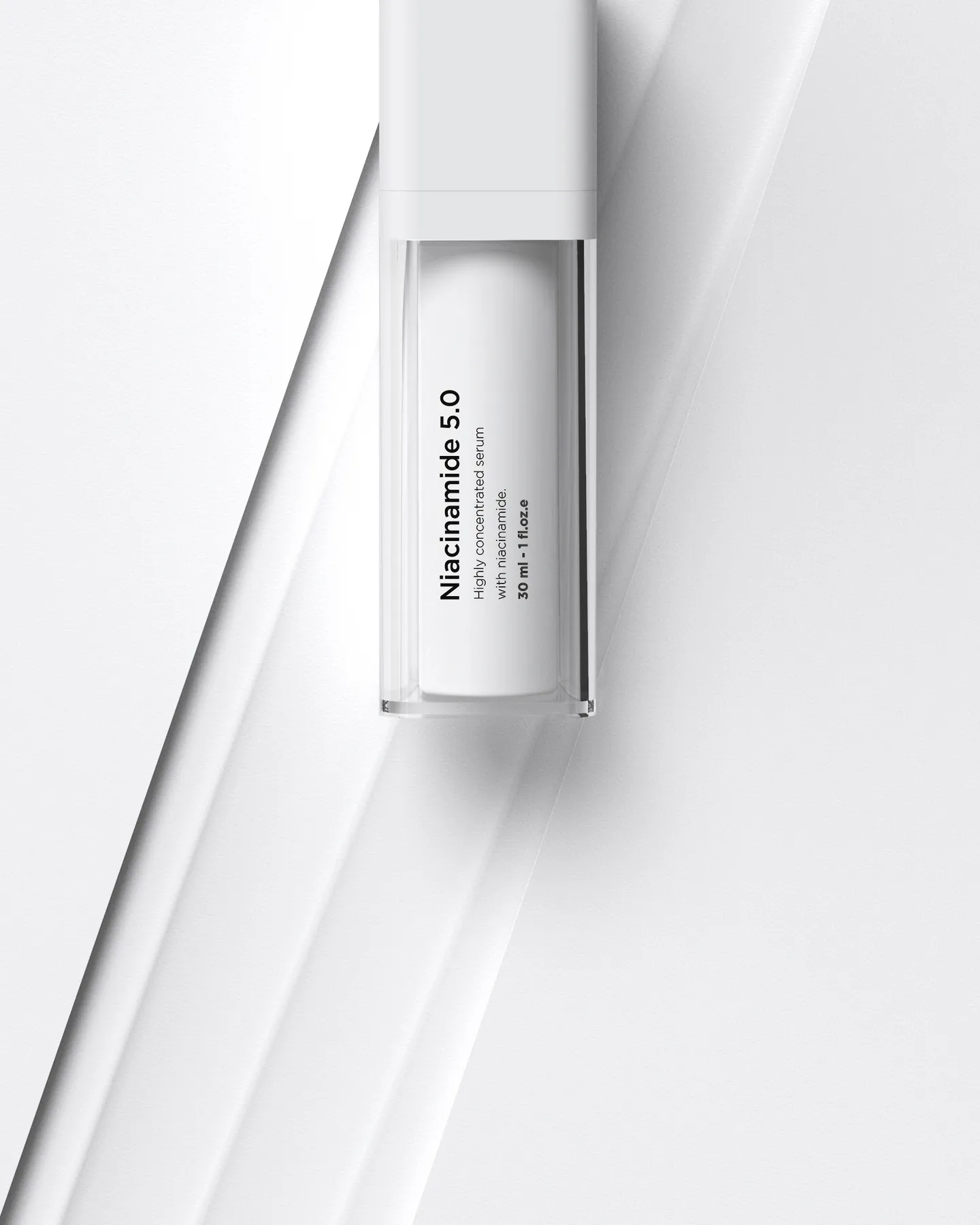
- a serum such as Niacinamide 5.0, with squalane;
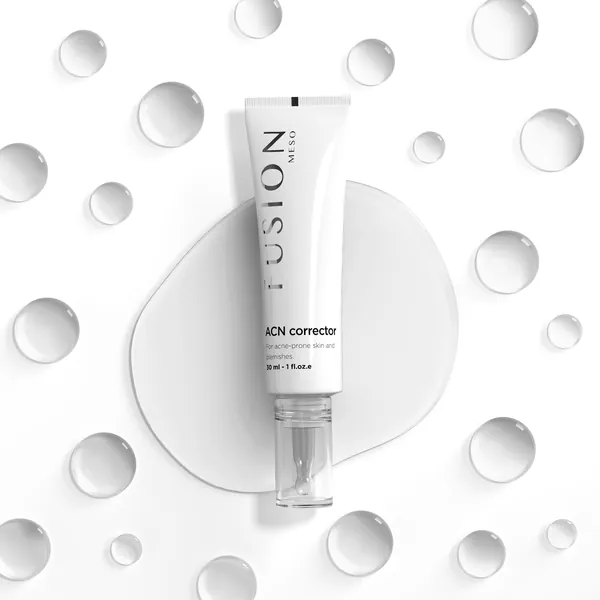
- a corrective serum for blemish-prone skin, such as ACN corrector.
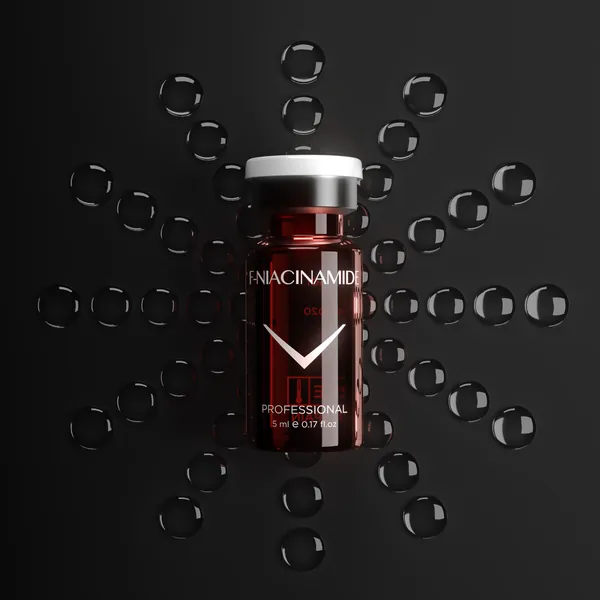
In the treatment room, F-NIACINAMIDE is a sterile vial for meso-needling.
How to use it
Once or twice a day, after cleansing, from the lightest texture to the richest. It combines well with hyaluronic acid, retinol, peptides and vitamin C. In the morning, finish with a broad-spectrum sunscreen.
Is it for you?
Almost certainly. Niacinamide is well tolerated by most skins. Very rarely, high concentrations cause redness: start once a day and see how your skin responds.
Questions
Can niacinamide be used with vitamin C?
Yes. The old idea that they cancel each other out does not apply to modern formulas.
Is niacinamide good for oily skin?
Yes. It helps regulate oil and makes pores look smaller, without drying the skin.
Looking for a treatment?
Fusion Meso treatments are performed by trained professionals. Tell us where you are and we will point you to one.
Find a professional