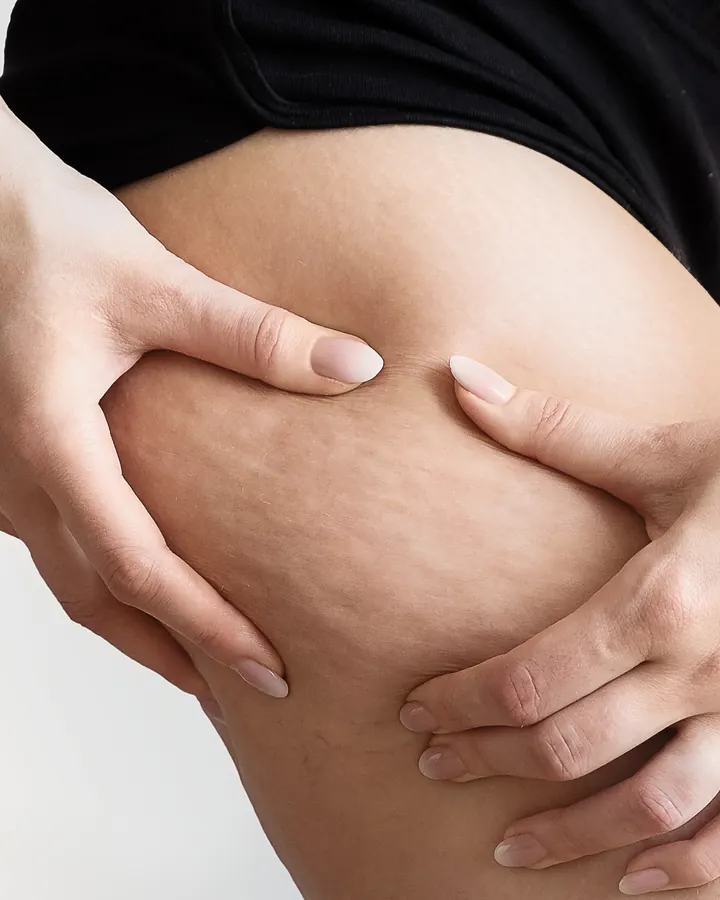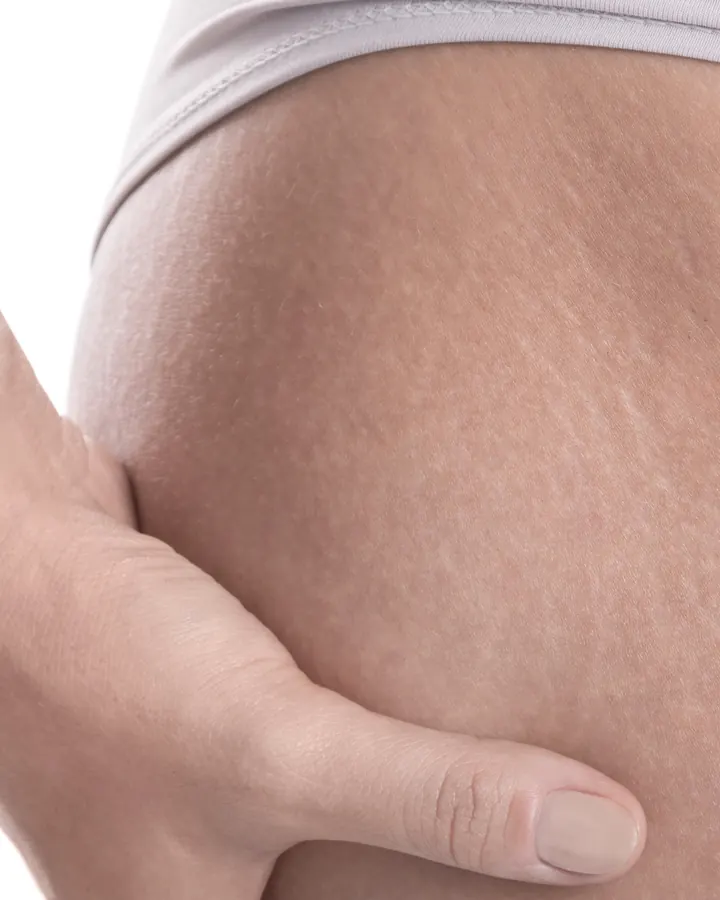

With menopause, the fall in oestrogens speeds up the loss of collagen, moisture and lipids. The skin becomes thinner, drier, less firm and sometimes more reactive.
Deep hydration and barrier repair
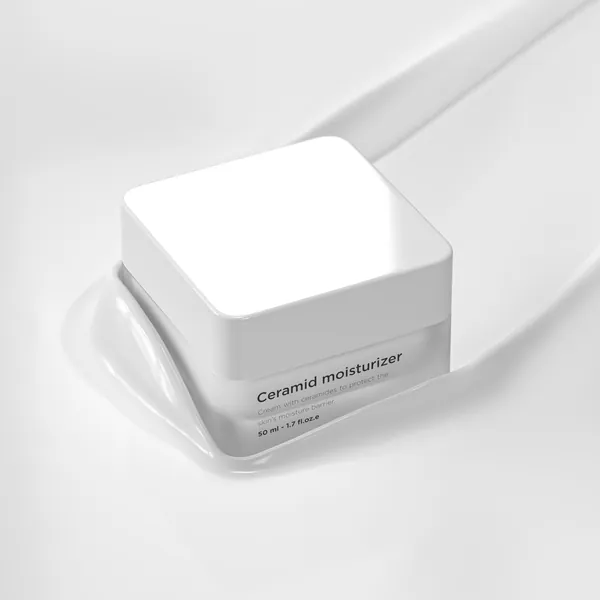
1. Rich moisturisers. Nourishing creams that restore the lipid barrier, such as Ceramid moisturizer.
2. Occlusive care. At night, a richer layer keeps water in.
3. Hydrating serums with hyaluronic acid, under the cream.
Collagen and firmness
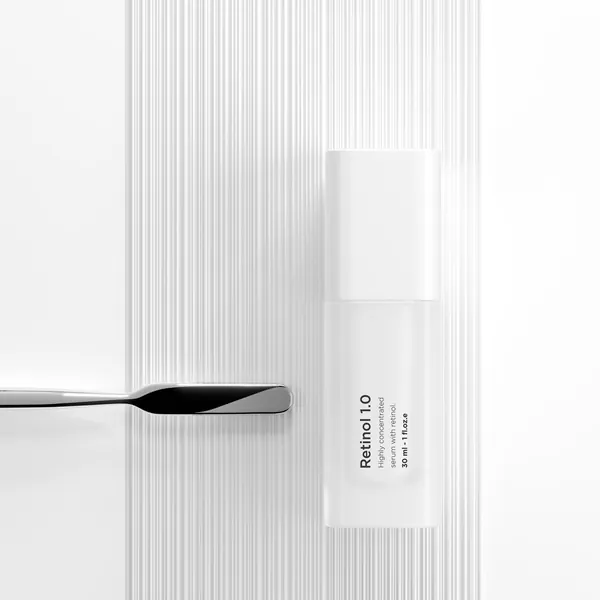
1. Retinol. In the evening, gradually: Retinol 1.0.
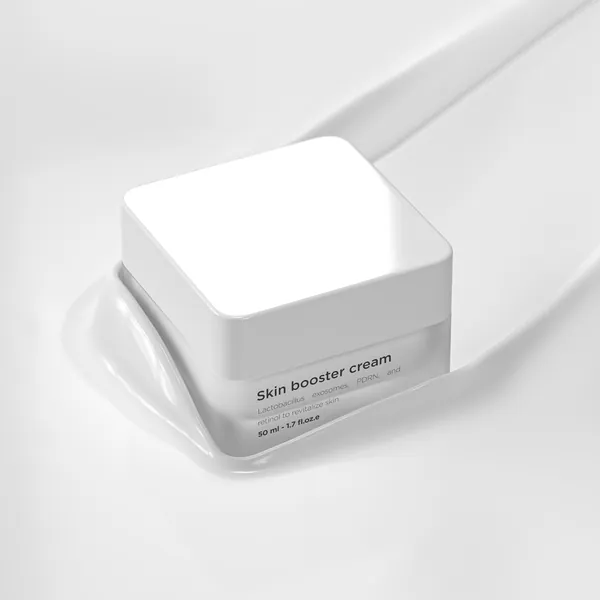
2. Peptides, antioxidants and regenerating ingredients. Skin booster cream combines PDRN, Lactobacillus-derived exosomes and retinol to revitalise tired, dehydrated skin.
3. Hormonal changes. Dryness, sensitivity and loss of firmness are linked to menopause; adapt your care and talk to your doctor if needed.
Targeted care
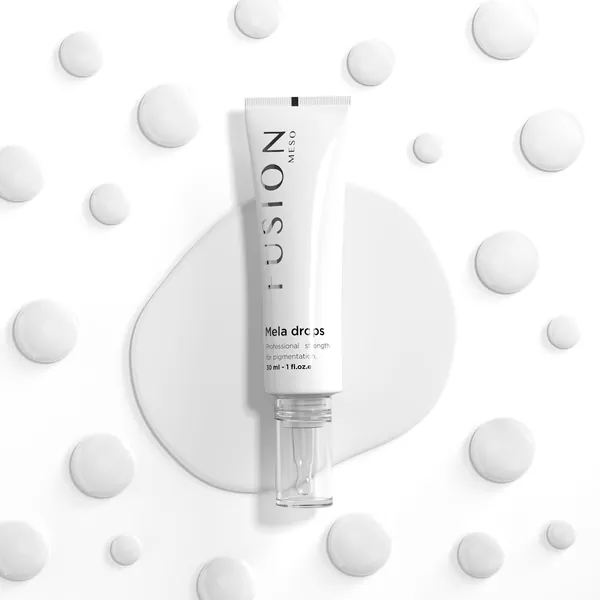
1. Age spots. A serum against pigmentation such as Mela drops, and strict sun protection.
2. Gentle exfoliation, occasional, to keep a bright complexion without weakening the skin.
3. Redness. Soothing care, lukewarm water and no harsh products. Persistent redness deserves a medical opinion.
Sun protection
Every morning: Meso-shield SPF 50. It prevents new spots and protects a thinner skin.
Professional care
See a dermatologist every year for your moles. In the treatment room, meso-needling with firming sterile vials such as F-LIFT+ FACE, with peptides and growth factors, improves firmness and skin quality.
Questions
Why is my skin suddenly so dry?
The fall in oestrogens at menopause reduces the skin's lipids and its ability to hold water. Richer creams and barrier repair help.
Is it too late to start retinol?
No. Mature skin benefits from retinol; start gently, over a moisturiser.
Looking for a treatment?
Fusion Meso treatments are performed by trained professionals. Tell us where you are and we will point you to one.
Find a professional